
Your Guide to Succeeding in a Media Internship in Kenya
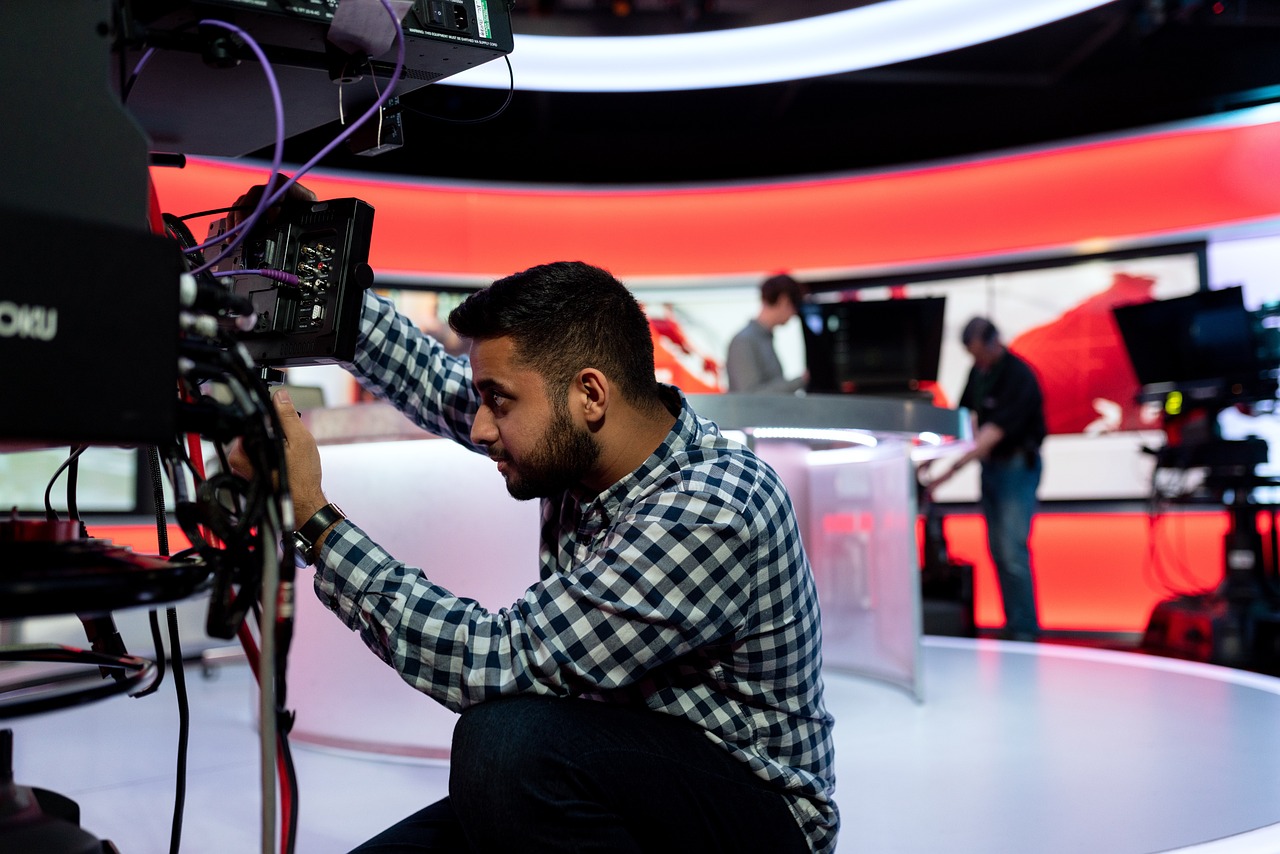
Embarking on an internship in a media organization is a crucial step toward a rewarding career in journalism, broadcasting, digital media, or public relations. It provides hands-on experience, builds valuable skills, and offers an understanding of the dynamic media landscape. However, to maximize this opportunity, strategic preparation is essential. Here’s a guide to help you get ready for a media internship in Kenya.
1. Start Early and Research Thoroughly
The media industry is highly competitive, so securing an internship requires early planning—ideally, a year in advance. Begin by identifying media organizations that align with your career goals. Research their mission, target audience, and content type. Whenever possible, engage with representatives from these organizations or visit their offices to understand the structure of their internship programs and the workplace culture.
Choose an internship that matches your long-term career goals. For example, marketing students should look for internships in advertising or digital marketing agencies, while journalism students should seek roles involving reporting, editing, or content creation.
2. Explore Broadcasting Opportunities
Broadcasting is a significant sector in Kenya’s media industry, with over 300 FM radio stations and 200 TV stations nationwide. Many broadcasters are blending traditional platforms with digital media, creating opportunities in roles such as social media management, podcast scriptwriting, and online editing.
While high-visibility roles like TV presenter or radio host are appealing, it’s often beneficial to start in foundational roles such as scriptwriting, reporting, or sound editing. These positions allow you to develop a well-rounded skill set and gain a deeper understanding of production processes. This experience will prove invaluable as you advance in your career.
3. Expand Beyond Broadcasting
Kenya’s media industry offers diverse opportunities beyond traditional broadcasting. Consider exploring these fields:
- Digital Media and Content Creation: Organizations often seek interns to manage social media platforms, develop strategies, and create content.
- Photography and Videography: NGOs and companies working on documentaries or investigative projects provide opportunities to build skills in filming, interviewing, research, and editing.
- Public Relations and Corporate Communications: Gain experience in brand management, drafting press releases, and event planning.
- Advertising and Marketing: Participate in creating visuals, ad copy, and multimedia content, gaining exposure to branding and creative strategy.
- NGOs and Media Development Programs: Work on projects related to civic education, media literacy, or social justice, combining journalism with social impact.
- Graphic Design and Animation: Create visuals for social media, video content, or websites, roles that are increasingly in demand in the digital media space.

4. Understand Your Rights and Responsibilities
Kenya’s National Employment Authority Act of 2016 outlines the rights and responsibilities of interns. Ensure you receive a written agreement detailing your duties, working conditions, and entitlements.
For instance, if you’re on a six-month contract, you are entitled to 11 days of annual leave, calculated based on the legal provision of 21 leave days for every 12 months (approximately 1.75 days per month). Familiarizing yourself with these provisions will protect your rights and help you navigate your internship confidently.
5. Seek Mentorship and Networking Opportunities
Networking is vital in the media industry. Connections with seasoned professionals can lead to future opportunities. Choose media organizations that encourage interactions with experienced staff, provide access to industry events, and support structured mentorship programs.
A mentor can guide you through the media landscape, offer career advice, and introduce you to key players in the industry. Mentorship is especially impactful in community or grassroots media organizations, where less bureaucratic structures make direct engagement easier.
6. Plan for Financial Logistics
Many media internships in Kenya are unpaid or offer modest stipends, so financial planning is crucial. Discuss potential support from family in advance to cover transport, food, and accommodation.
Create a realistic budget for your internship period based on estimates from friends or peers who’ve completed similar programs. If necessary, consider a side hustle that complements your schedule to generate additional income. Proper financial preparation ensures you can focus on gaining experience without undue stress.
In Conclusion
An internship in a media organization is a stepping stone to a fulfilling career. By researching thoroughly, exploring diverse roles, understanding your rights, seeking mentorship, and planning your finances, you can make the most of this opportunity.
Approach your internship as more than just a requirement—it’s a launchpad for your professional journey in Kenya’s dynamic and evolving media industry. With proper preparation, your internship can be the foundation for a successful and impactful career.

Doreen Mwasi is the founder of Media Bridge By D Mwasi. She is also an accomplished broadcast journalist with over a decade of experience in the media industry, specializing in radio programming, management, and media training. Known for her engaging radio voice and exceptional communication skills, Doreen has effectively led teams in diverse multimedia environments.

As an editor I have worked with interns for many years and I can tell you, it is an amazing experience. one thing I have noticed, the interns that come from an institution where there are assessed during the internship, they tend to be more dedicated to their work.